



Wearable local AI server웨어러블 로컬 AI 서버
2026.04 – 2026.08
a to A is an exhibition project set in a future where AI increasingly defines human identity. It imagines ‘127’, a subculture whose members wear local AI that runs without a central system, and follows how that equipment turned into a style. Through it, the project asks how people might keep their individuality as algorithms make choices more alike.a to A는 AI가 사람의 정체성을 점점 더 규정하게 된 미래를 배경으로 한 전시 기획이다. 중앙 시스템 없이 돌아가는 로컬 AI를 몸에 지니는 서브컬처 ‘127’을 설정하고, 그 장비가 하나의 스타일이 되어 가는 과정을 따라간다. 이를 통해 알고리즘이 선택을 비슷하게 만드는 환경에서 개인의 고유성을 어떻게 지킬 수 있을지 묻는다.











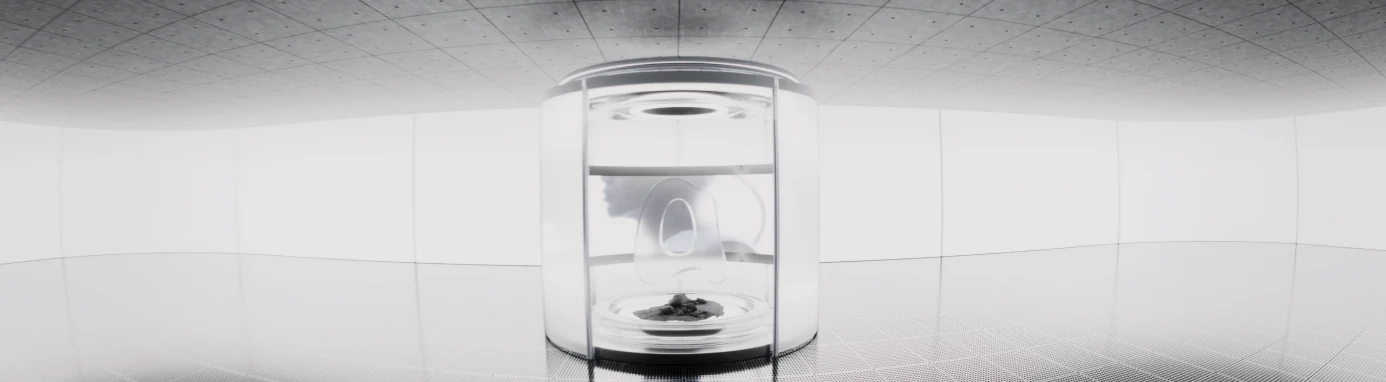


Countercultural Fashion in the Age of AI〈a to A〉 is a fictional exhibition set in 2051. It looks back at 127, a counterculture that appeared twenty years earlier. In 2031, as AI began to predict and evaluate people’s behavior, some people disconnected from centralized AI and moved to personal servers and local AI. The exhibition traces how the equipment they built for independence gradually became a sign of identity and, later, a style of dress.Countercultural Fashion in the Age of AI〈a to A〉는 2051년을 배경으로 한 가상의 전시로, 20년 전에 등장한 반문화 ‘127’을 돌아본다. 2031년, AI가 사람의 행동을 예측하고 평가하기 시작하자 일부 사람들은 중앙화된 AI와의 연결을 끊고 개인 서버와 로컬 AI로 옮겨 갔다. 전시는 독립을 위해 만든 장비가 점차 정체성의 표시가 되고, 이후 하나의 옷차림으로 자리 잡는 과정을 따라간다.
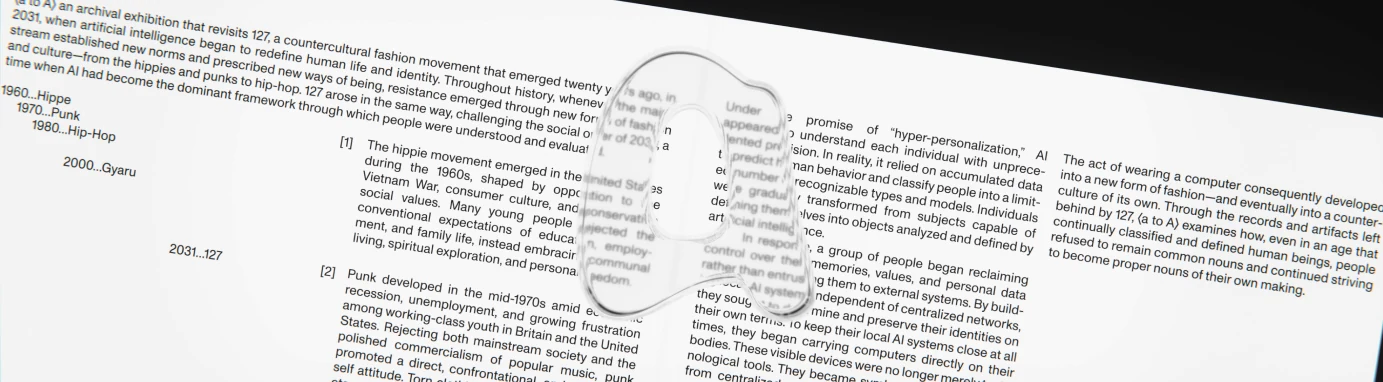
Mainstream and CountercultureIn modern cultural history, each period has had a mainstream and a counterculture that formed in response to it. Hippies in the 1960s questioned war and conservative norms, and punk in the 1970s questioned authority and class. Hip-hop in the 1980s and gyaru in the 2000s also stepped outside the norms of their time and expressed new identities through fashion.So what was the mainstream that people were responding to in 2031?Mainstream and Counterculture현대 문화사에서는 시대마다 메인스트림과, 그에 대한 반응으로 생겨난 반문화가 함께 있었다. 1960년대 히피는 전쟁과 보수적인 규범에, 1970년대 펑크는 권위와 계급에 문제를 제기했다. 1980년대 힙합과 2000년대 갸루도 당시의 규범에서 벗어나 패션으로 새로운 정체성을 드러냈다.그렇다면 2031년의 사람들이 반응한 메인스트림은 무엇이었을까?
Model ConvergenceAI analyzed search, shopping, travel and media data to recommend choices suited to each person, and many saw this as hyper-personalization. Because the recommendations were based on past choices, however, similar suggestions kept repeating, and different people’s tastes and habits gradually narrowed into a few patterns. Researchers at the time called this Model Convergence.Model ConvergenceAI는 검색, 소비, 이동, 콘텐츠 이용 데이터를 분석해 사람마다 알맞은 선택을 추천했고, 많은 사람이 이를 초개인화로 받아들였다. 하지만 추천이 과거의 선택을 바탕으로 했기 때문에 비슷한 제안이 반복되었고, 서로 다른 사람들의 취향과 행동은 점차 몇 가지 패턴으로 좁혀졌다. 당시 연구자들은 이를 ‘모델 컨버전스(Model Convergence)’라 불렀다.
Profiled HumanityIn 2031, a centralized AI system called ICOS was introduced to combine each person’s records into a single profile. Its predictions came to be used in decisions about finance, employment, insurance and housing, and people began to be assessed less as individuals and more as profiles built from their data.Profiled Humanity2031년, 한 사람의 기록을 하나의 프로필로 합치는 중앙화 AI 시스템 ICOS가 도입되었다. 그 예측은 금융, 고용, 보험, 주거에 관한 결정에 쓰이게 되었고, 사람들은 한 개인보다는 데이터로 만들어진 프로필로 평가받기 시작했다.
The Emergence of 127In the same year, some people reduced their connection to ICOS and began keeping their data on personal servers. Rather than relying on the central cloud, they ran local AI on their own devices. They came to be called “127,” after the localhost address 127.0.0.1.The Emergence of 127같은 해, 일부 사람들은 ICOS와의 연결을 줄이고 데이터를 개인 서버에 보관하기 시작했다. 중앙 클라우드 대신 자기 기기에서 로컬 AI를 돌렸고, 로컬 호스트 주소 127.0.0.1에서 따와 ‘127’이라 불리게 되었다.

Host YourselfAfter leaving the central system, 127 moved the AI functions they needed onto their own devices. They ran local AI directly and stored their conversations, searches and work on personal servers. This practice of managing AI and data within one’s own environment was called “Host Yourself.”Host Yourself중앙 시스템을 떠난 127은 필요한 AI 기능을 자기 기기로 옮겼다. 로컬 AI를 직접 돌리고 대화와 검색, 작업 기록을 개인 서버에 보관했다. 자기 환경 안에서 AI와 데이터를 관리하는 이 방식을 ‘호스트 유어셀프(Host Yourself)’라 불렀다.


Life of 127127 shared data, technical knowledge and parts with one another. As members recovered their data and repaired their own equipment, small communities formed around places such as Sync Circles and Server Houses, where information and skills were exchanged.Life of 127127은 데이터와 기술 지식, 부품을 서로 나눴다. 데이터를 되찾고 장비를 직접 고치는 과정에서, 정보와 기술을 주고받는 싱크 서클(Sync Circle)과 서버 하우스(Server House) 같은 공간을 중심으로 작은 공동체가 생겨났다.
The First Personal ServerEarly members of 127 assembled personal servers from computers, storage and batteries. To use the same local AI while out, they began carrying this equipment with them, and as local AI became part of daily life, the computer moved from the bag onto the body.The First Personal Server초기 127은 컴퓨터와 저장 장치, 배터리를 조합해 개인 서버를 만들었다. 밖에서도 같은 로컬 AI를 쓰기 위해 장비를 들고 다니기 시작했고, 로컬 AI가 일상의 일부가 되면서 컴퓨터는 가방에서 몸으로 옮겨 갔다.


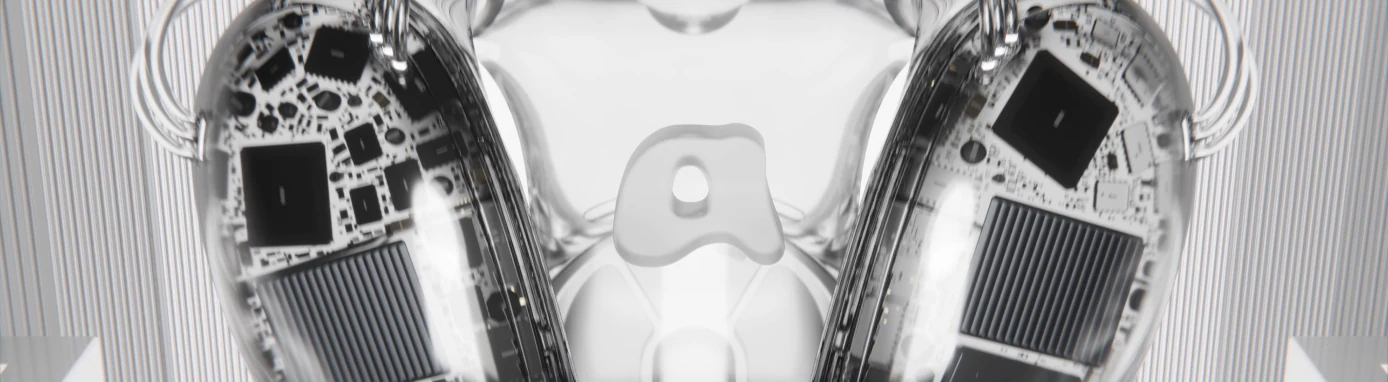
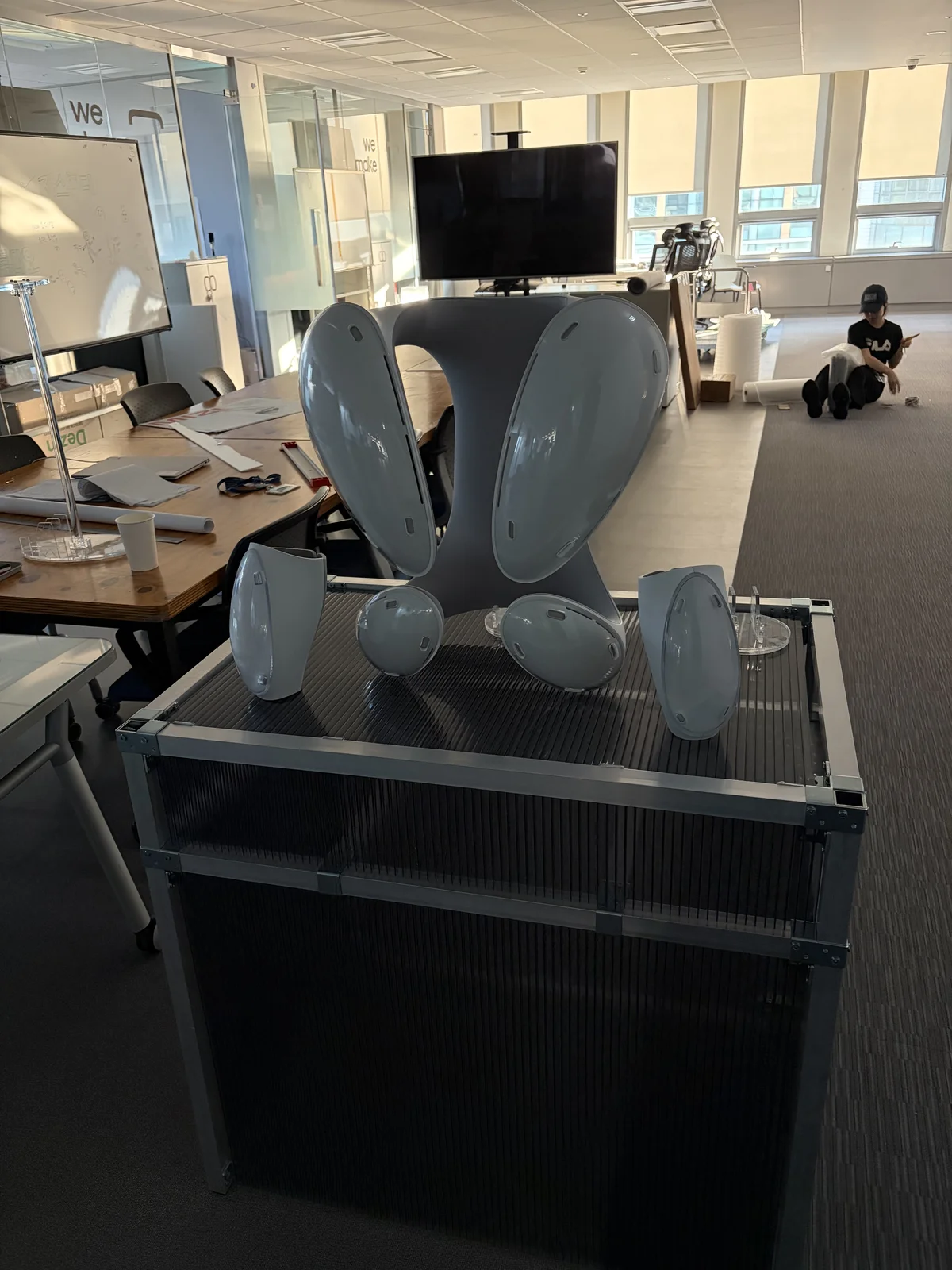
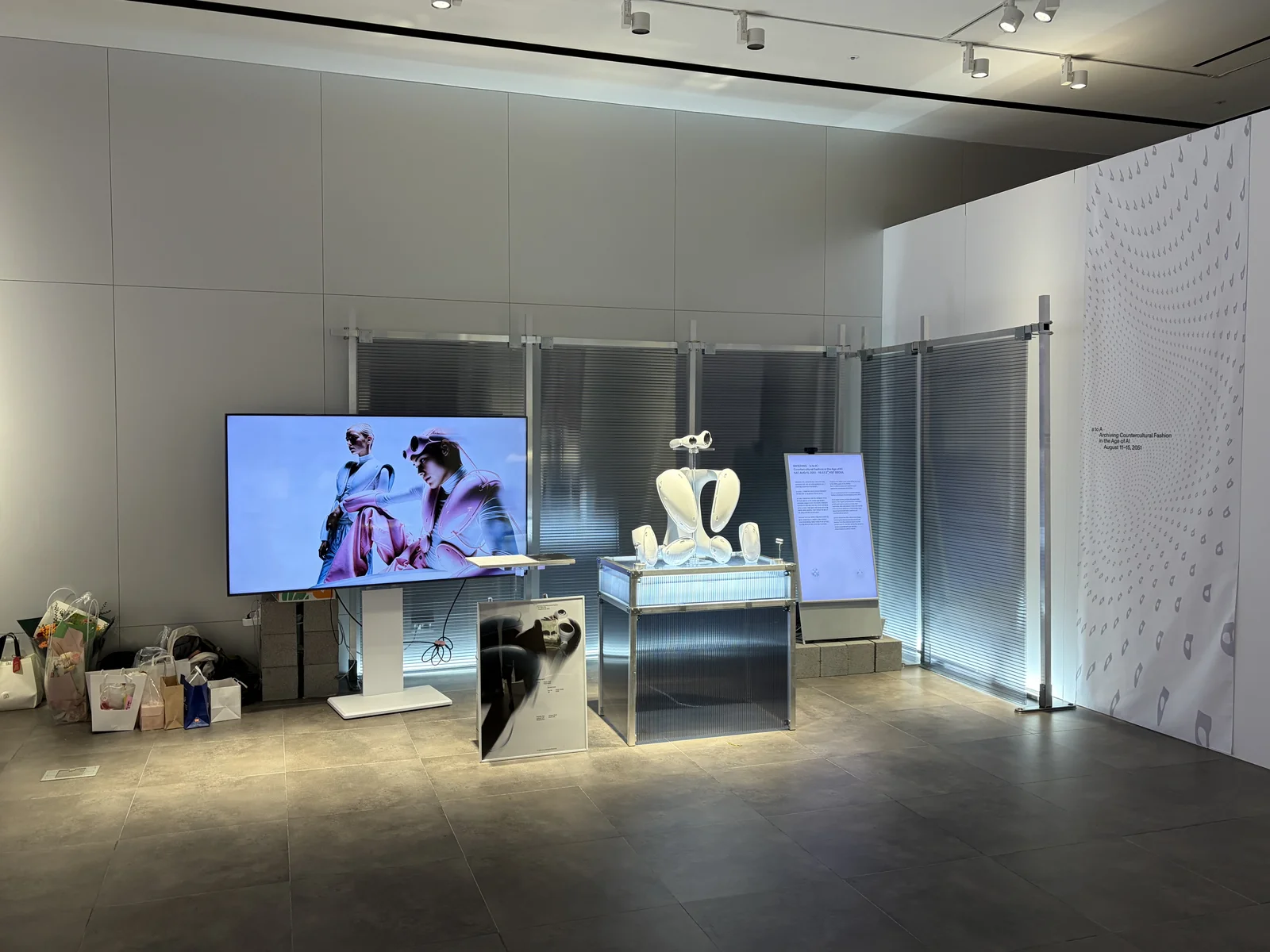
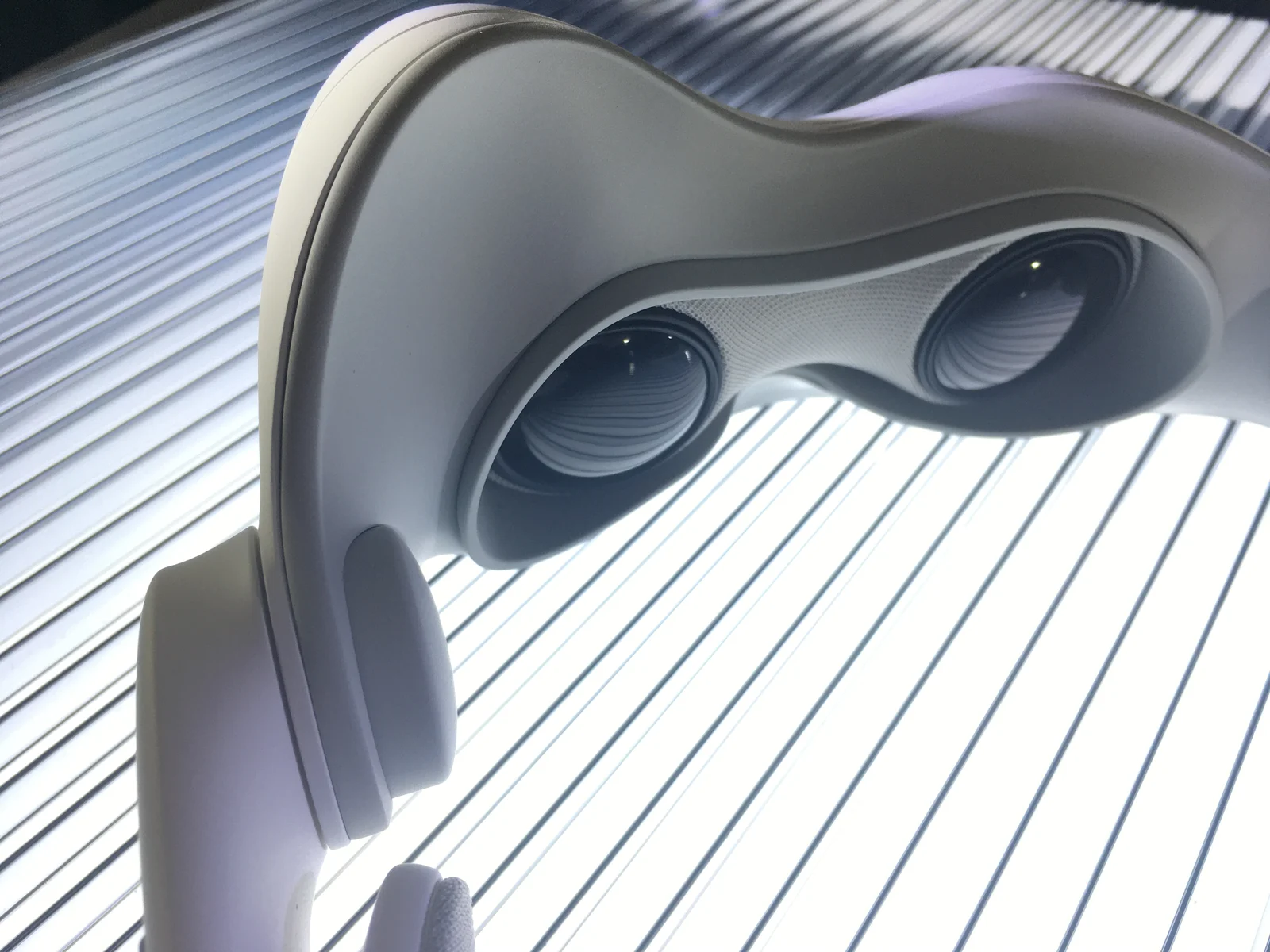
127 Wearable ServerAs the computer, batteries and storage were distributed across the body, the personal server became a Wearable Server. As ways of building and repairing it were shared, a combination of vest-like body gear, asymmetric goggles and a controller became the common setup among 127.127 Wearable Server컴퓨터와 배터리, 저장 장치를 몸 여러 곳에 나눠 달면서 개인 서버는 웨어러블 서버가 되었다. 만들고 고치는 방법이 공유되면서, 조끼 형태의 바디 기어와 비대칭 고글, 컨트롤러의 조합이 127 사이에서 흔한 구성이 되었다.


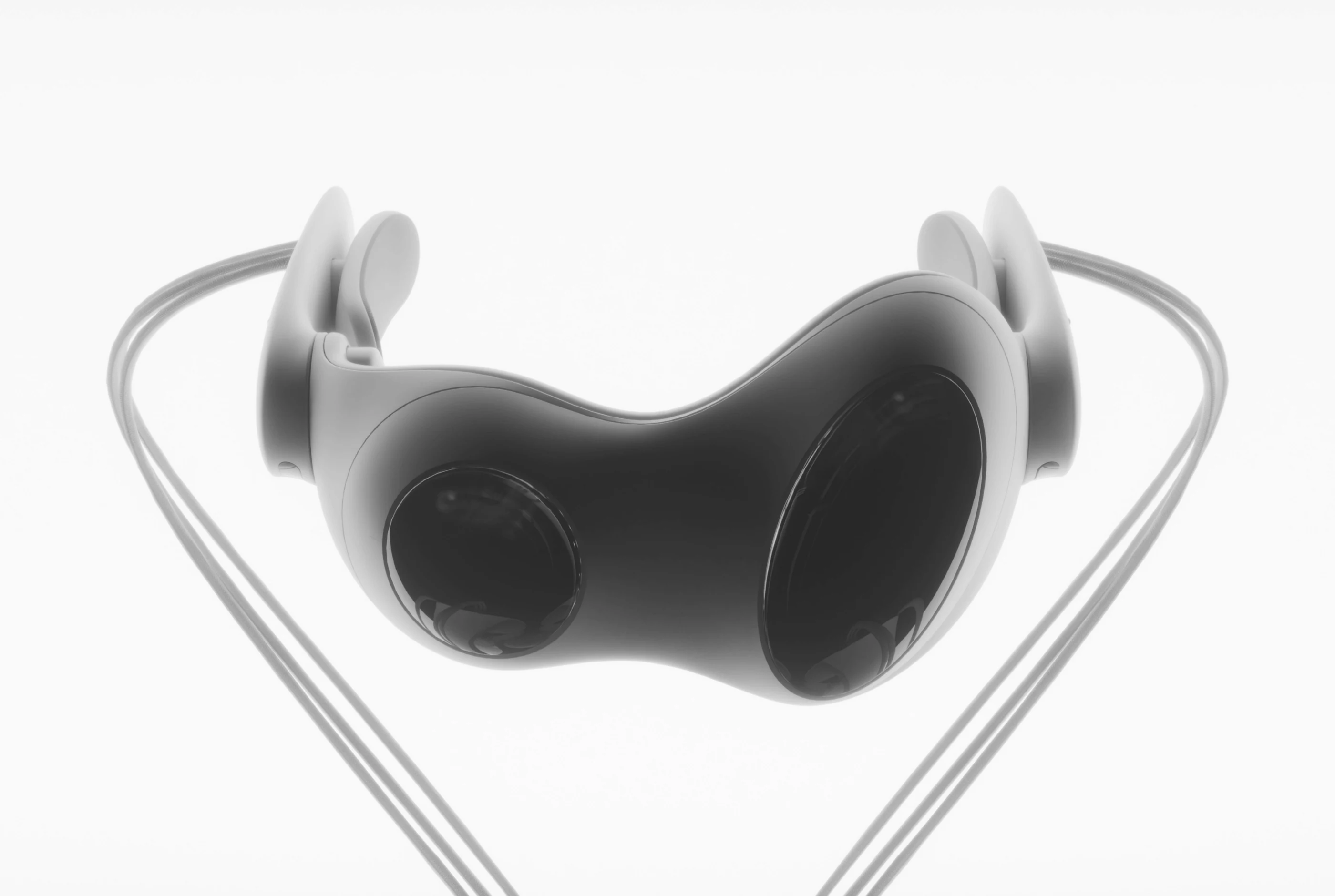


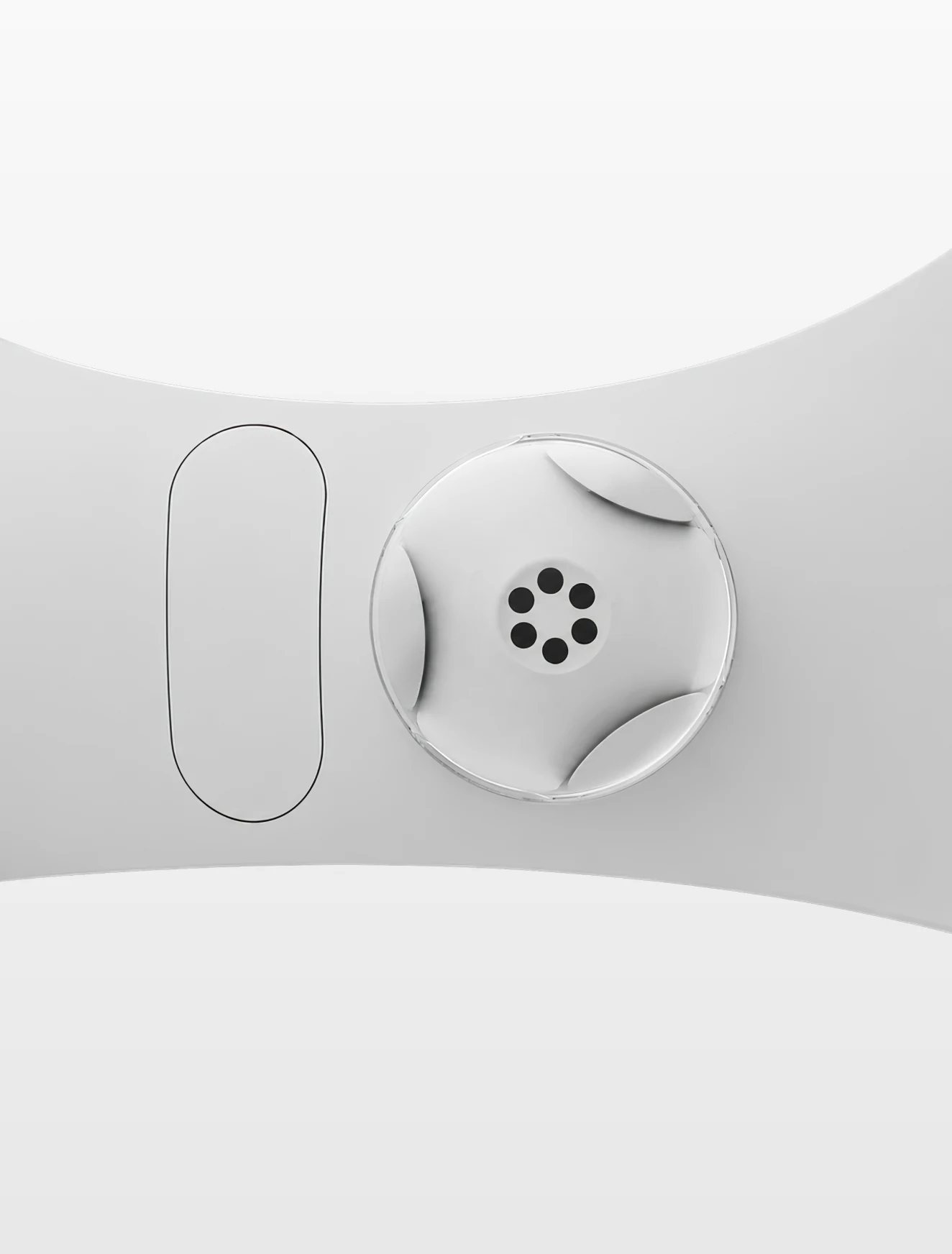

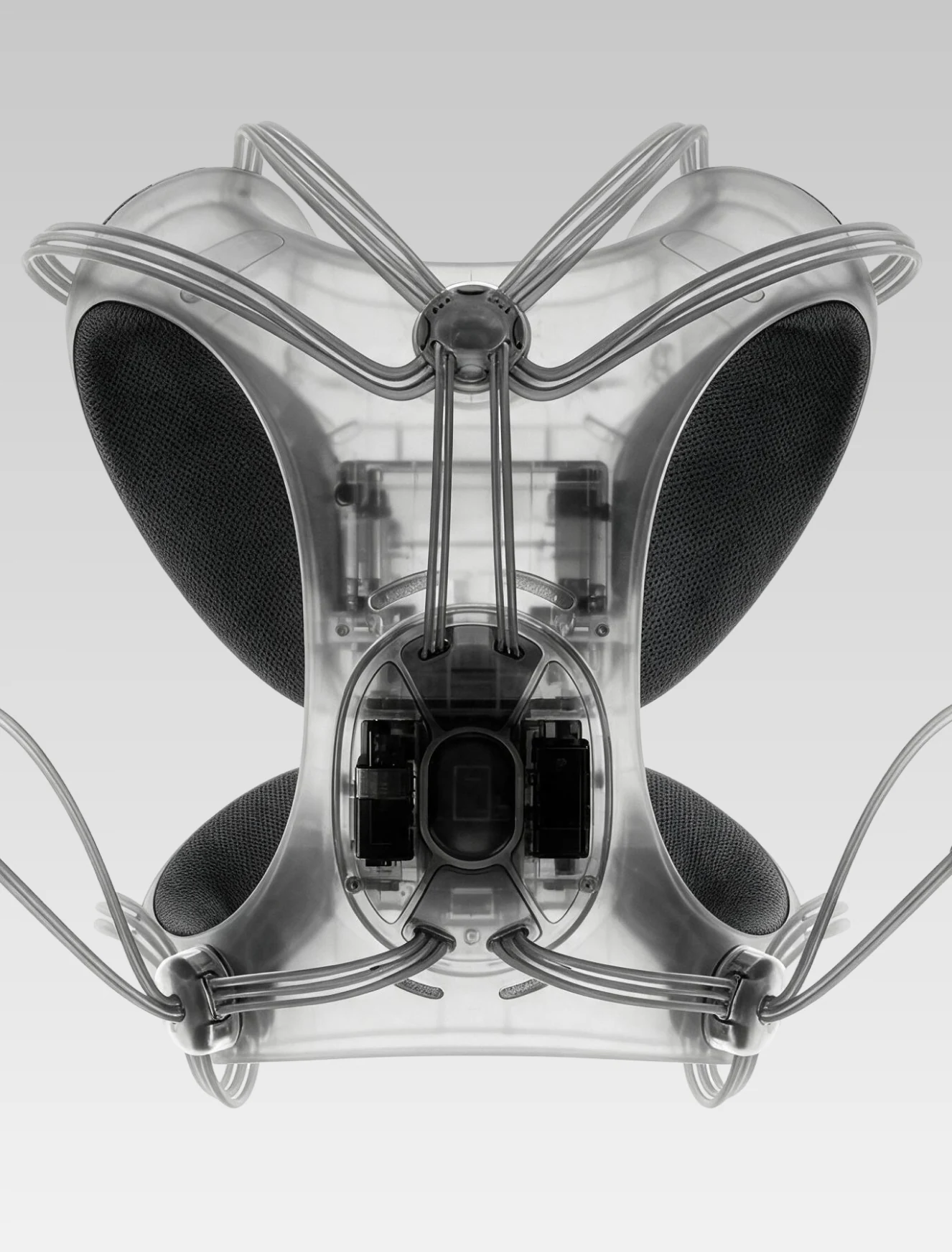

Visible ResistanceCables and connectors were left exposed to make repairs and part replacement easier, and over time they became a recognizable feature of 127. While mainstream devices were becoming smaller and less visible, 127’s Wearable Servers kept their hardware in plain sight.Visible Resistance수리와 부품 교체를 쉽게 하려고 케이블과 연결부를 드러내 두었고, 시간이 지나며 이것이 127을 알아보는 특징이 되었다. 주류 기기가 점점 작아지고 눈에 띄지 않게 되던 때에, 127의 웨어러블 서버는 하드웨어를 그대로 드러냈다.


From Look to StyleAs similar equipment appeared more often on the street, the look of the Wearable Server became associated with 127. People adjusted the colors, materials and parts in their own ways, and eventually some people without personal servers adopted the look as well. In this way it spread as a countercultural style.From Look to Style거리에서 비슷한 장비가 자주 보이면서, 웨어러블 서버의 외형은 127을 떠올리게 하는 모습이 되었다. 사람들은 색과 소재, 부품을 각자의 방식으로 바꿨고, 개인 서버가 없는 사람들 중에도 이 모습을 따르는 이들이 생겼다. 그렇게 127의 외형은 하나의 반문화 스타일로 퍼져 나갔다.
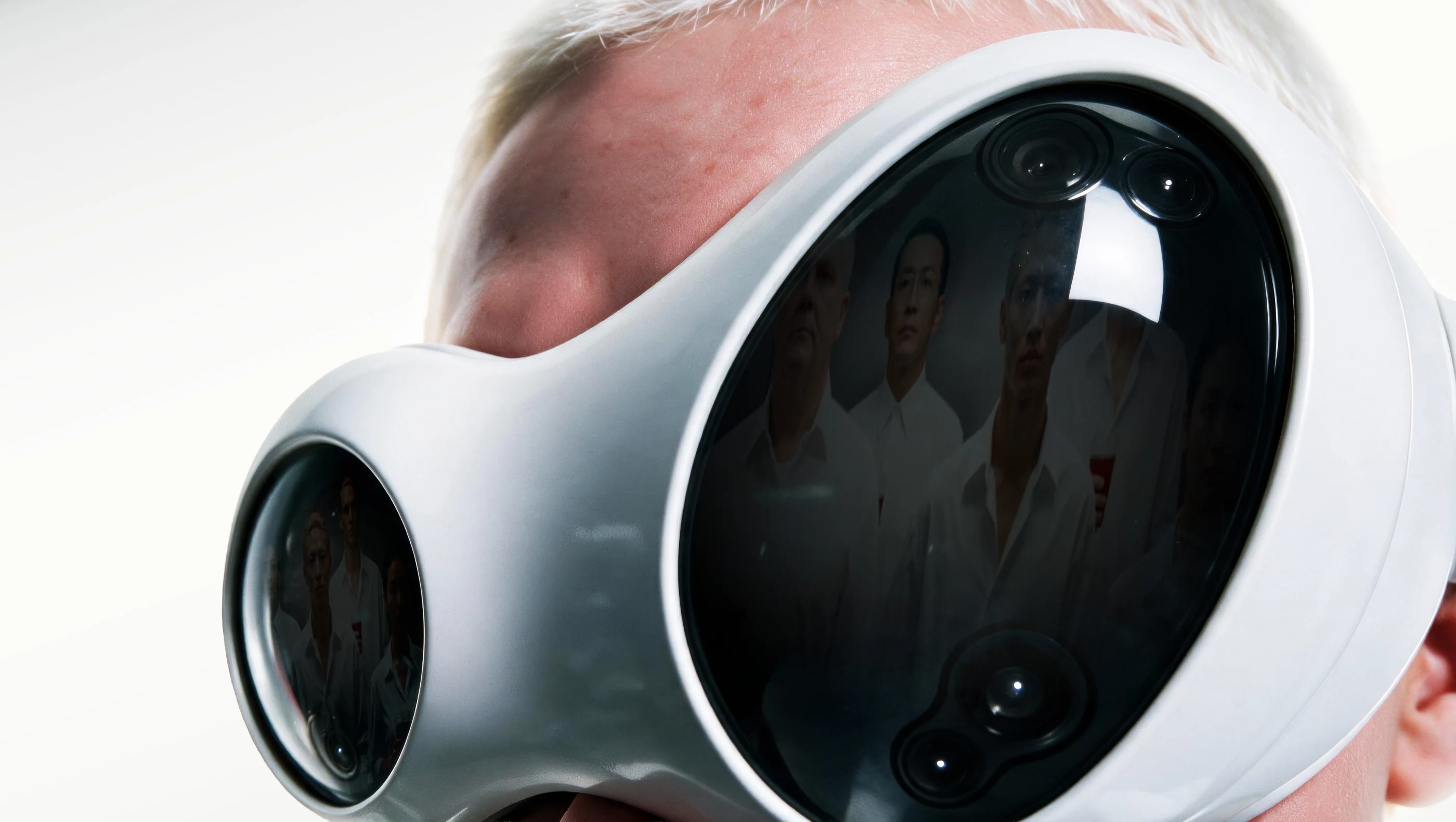
Not Against Technology127 did not try to reject technology or return to the past. They chose to understand it and keep it under their own control. This was their way of responding to a society in which AI predictions had begun to shape how people were defined.Not Against Technology127은 기술을 거부하거나 과거로 돌아가려 하지 않았다. 기술을 이해하고 스스로 다루는 쪽을 택했다. 그것이 AI의 예측이 사람을 규정하기 시작한 사회에 대한 그들의 대응이었다.
From a to AThe 2051 exhibition 〈a to A〉 places 127 within the longer history of countercultures that have appeared in each generation. The change from a lowercase ‘a’ to an uppercase ‘A’ represents a person moving from being classified as a type to having a name and identity of their own.From a to A2051년의 전시 〈a to A〉는 127을 세대마다 나타난 반문화의 흐름 안에 놓고 다시 본다. 소문자 ‘a’에서 대문자 ‘A’로의 변화는 하나의 유형으로 분류되던 사람이 자기 이름과 정체성을 갖게 되는 과정을 나타낸다.
a → AThe exhibition’s visual language is built on the same change. Repeated lowercase ‘a’s stand for the types AI uses to classify people, and the single ‘A’ among them stands for a person who defines themselves. This idea links the exhibition graphics and the archive materials.a → A전시의 시각 언어도 같은 변화에서 출발한다. 반복되는 소문자 ‘a’는 AI가 사람을 분류하는 유형을, 그 사이의 대문자 ‘A’는 스스로를 정의하는 개인을 나타낸다. 이 아이디어가 전시 그래픽과 아카이브 자료를 잇는다.


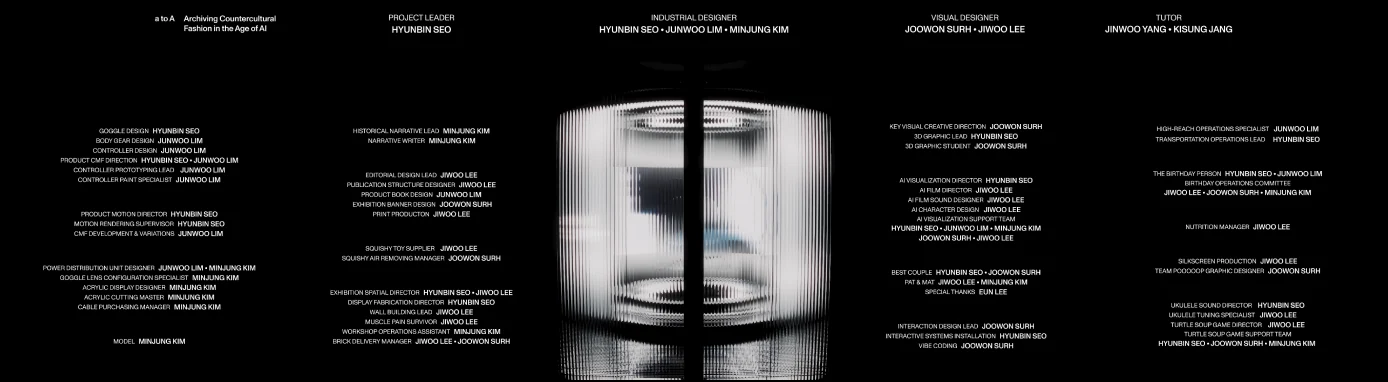
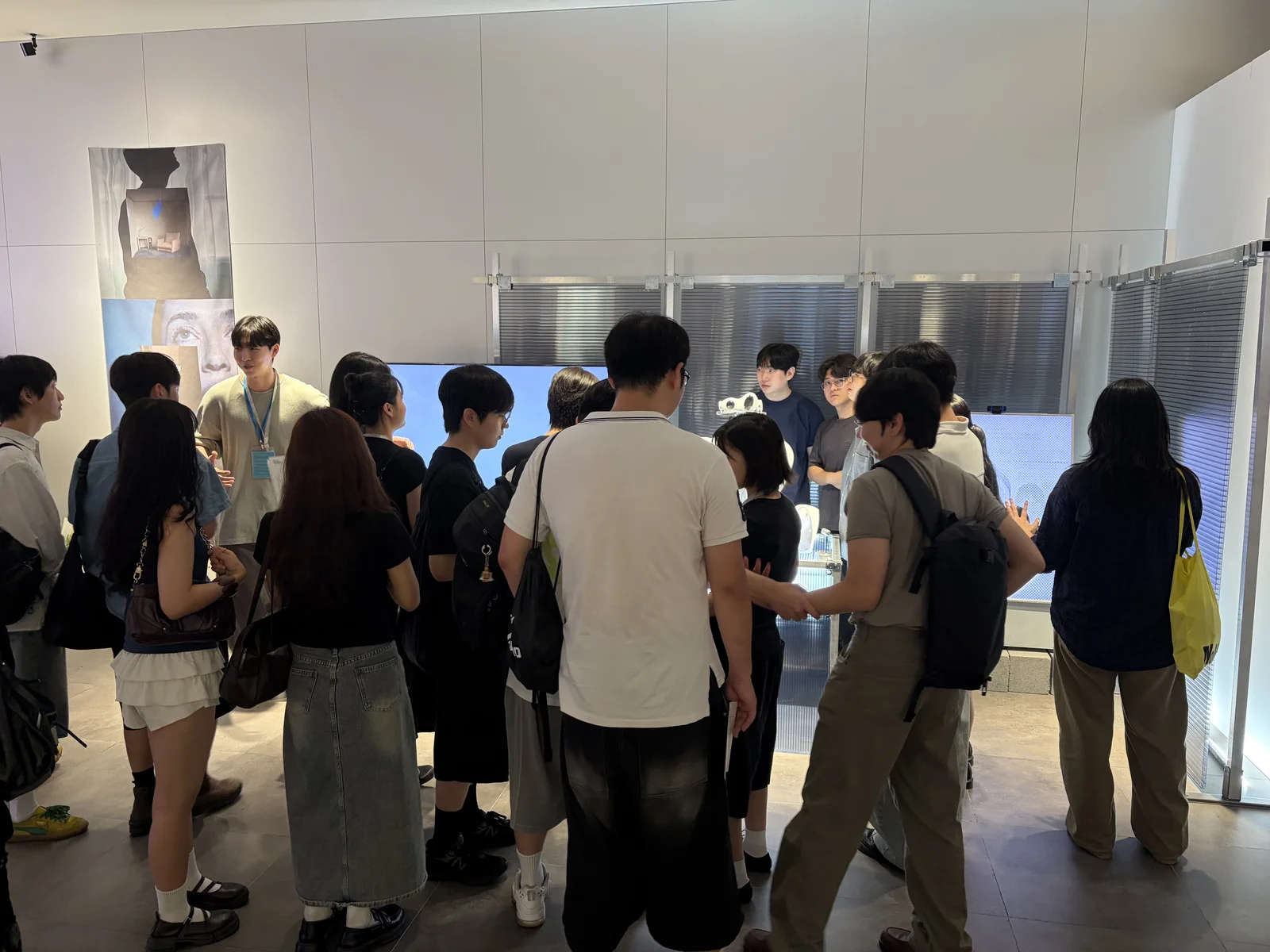
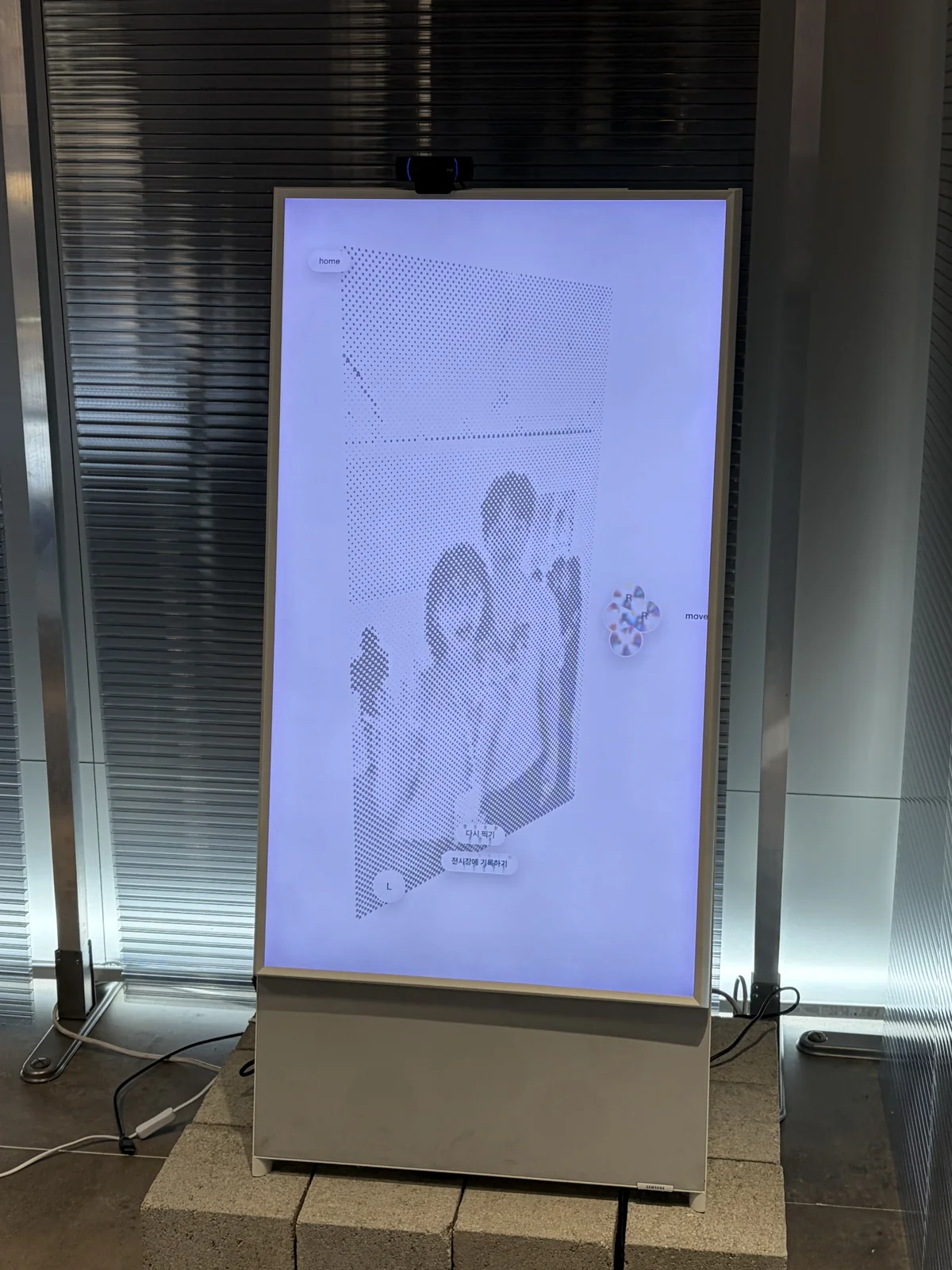
Behind the Scenes









- Project Lead / Product Designer
- Hyunbin Surh
- Product Designer
- Junwoo Lim
- Product Designer
- Minjung Kim
- Visual Designer
- Joowon Surh
- Visual Designer
- Jiwoo Lee